The real estate landscape in 2026 is undergoing a significant transformation. For years, metro cities like Delhi, Mumbai, Bangalore, and Gurgaon projets dominated investor attention. But today, a clear and strategic shift is taking place.
Smart investors are now looking beyond metro cities.
This is not just a trend—it’s a data-driven, infrastructure-led, and mindset-based evolution. If you’re planning to invest in real estate, understanding where future growth lies is critical.
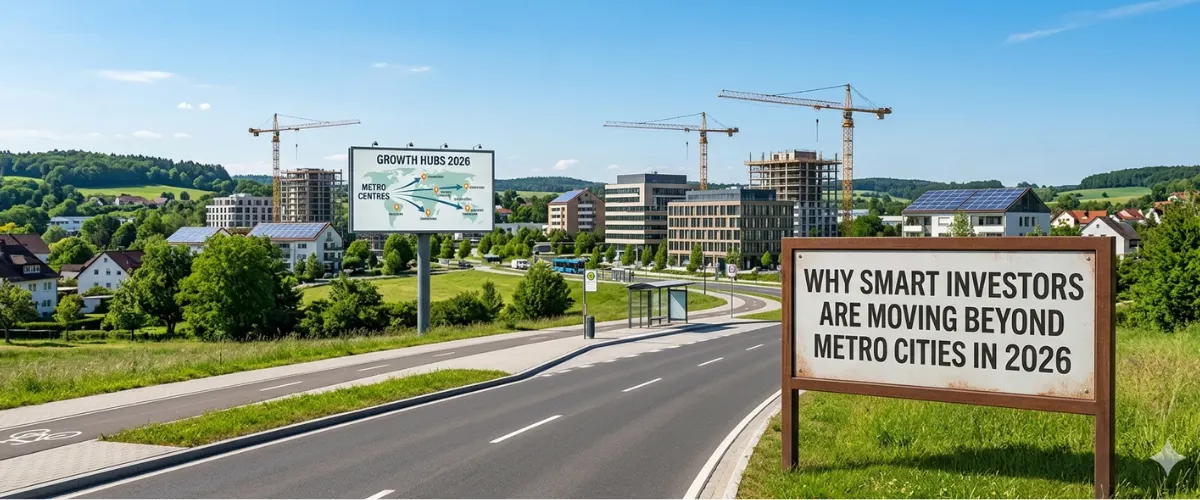
There was a time when investing in metro cities was considered the safest and most profitable option. However, the dynamics have changed.
Property prices are already at peak levels
Entry costs are significantly high
Appreciation has slowed down
Rental yields remain limited
What does this mean?
The phase of “easy gains” in metro markets is largely over
As a result, smart investors are now identifying new high-growth zones.
Modern real estate investment is no longer just about location—it’s about connectivity and infrastructure.
A prime example is the Noida International Airport (Jewar Airport).
It has completely reshaped the growth outlook of the NCR region
Property prices along the Yamuna Expressway have already seen massive appreciation
Future projections indicate continued growth due to increasing demand
A single infrastructure project has the power to transform an entire region into an investment hotspot.
This pattern is now repeating across multiple regions in India
Smart investors follow one simple rule:
“Enter before the crowd.”
The challenge with metro cities?
The crowd is already there
In contrast, emerging markets offer:
Lower entry prices
Higher appreciation potential
Better risk-reward balance
Investors who enter early are able to capture the maximum upside in value.
India’s growth is no longer limited to metro cities.
Cities like:
Indore
Lucknow
Jaipur
Coimbatore
are rapidly evolving due to:
Smart city initiatives
Improved connectivity (roads, metro, airports)
Growth in IT, manufacturing, and service sectors
This leads to organic demand for real estate, making these cities highly attractive for investors.
In metro cities, a standard 3BHK property can cost anywhere between ₹2–5 crore or more.
In emerging markets:
You get larger properties at lower prices
Better lifestyle options within the same budget
Reduced financial burden
This affordability is attracting both investors and end-users.
Post-pandemic, the way people work has fundamentally changed.
Location independence is now a reality
Remote and hybrid work models are widely accepted
People no longer need to live in metro cities for career opportunities
Quality of life is becoming a priority
As a result:
Demand for housing in smaller cities is increasing
Emerging cities offer a compelling lifestyle advantage.
Factor Metro Cities Emerging Cities
Space Limited Spacious
Pollution High Lower
Cost of Living Expensive Affordable
Stress Levels High Balanced
This shift is not just investment-driven—it’s also lifestyle-driven.
The government is actively promoting decentralized growth through:
Smart Cities Mission
Industrial corridors
New airports and expressways
Logistics and manufacturing hubs
For example, the ecosystem around Jewar Airport is expected to generate:
Employment opportunities
Business expansion
Increased housing demand
This is a planned growth model, not accidental development.
Recent trends clearly indicate that real estate growth is spreading beyond metros.
Tier-2 and Tier-3 cities are witnessing increased housing demand
Larger homes and plotted developments are gaining popularity
Developers are expanding into new regions
This confirms one thing:
Real estate growth in India is becoming decentralized
Let’s understand this with a real-world example:
Yamuna Expressway Region (Near Jewar Airport)
A few years ago, this was considered an affordable market
Today, prices have multiplied significantly
Industrial, logistics, and aviation ecosystems are developing rapidly
This demonstrates a classic cycle:
Infrastructure → Demand → Price Growth → Wealth Creation
Modern investors don’t make random decisions. They analyze key factors before investing:
1. Infrastructure Pipeline
Is there any upcoming airport, metro, or expressway?
2. Economic Activity
Are jobs and businesses growing in the area?
3. Developer Presence
Are reputed developers entering the market?
4. Supply vs Demand
Is there oversupply or genuine demand?
5. Exit Strategy
Will there be resale or rental demand in the future?
If you are planning to invest this year, focus on:
✔ Emerging Corridors
Airport-driven regions
Industrial and logistics hubs
✔ Growing Cities
Markets with strong economic expansion
✔ Early-Stage Projects
Pre-launch or early-phase developments
One of the most common mistakes is:
Investing in metro cities simply because they feel “safe”
Reality check:
Safe does not always mean profitable
Most growth is already priced in
Smart investors focus on calculated opportunities, not comfort zones.
Looking ahead, the direction is clear:
Decentralized growth will dominate
Multiple high-growth regions will emerge
Infrastructure will drive demand
Early investors will benefit the most
Final Thoughts
If your investment strategy is limited to metro cities, you may miss the next big opportunity.
Smart investors are already shifting:
In real estate, wealth is created where:
Growth is about to happen
Not where it has already happened

M3M Diwali Offers 2026: New Payment Plans, Interna...

M3M CFC Floor Plan & Brochure PDF: Office, Ret...
Trump Tower Noida Payment Plan & Complete Cost...

M3M Trump Tower Location & Connectivity: Secto...
M3M Mansion Construction Update: Sector 113 – Ho...
M3M Elie Saab Payment Plan: The Real Numbers, Hidd...
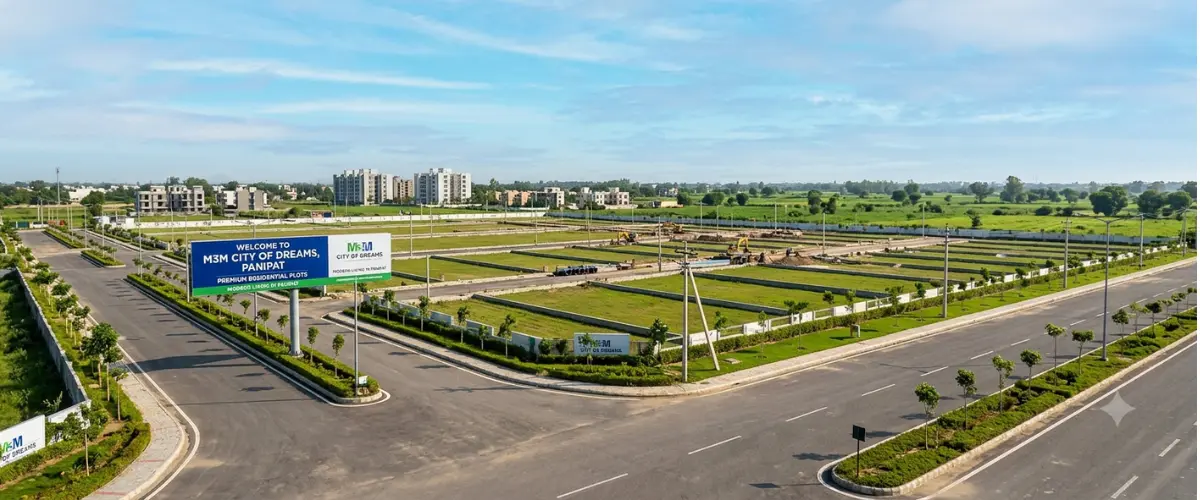
 Sector 36 & 37, Panipat
  125 sq. yd. – 1,000 sq. yd.
  125 – 180 sq. yd.
  1.30 Lakh/sq. yd.
 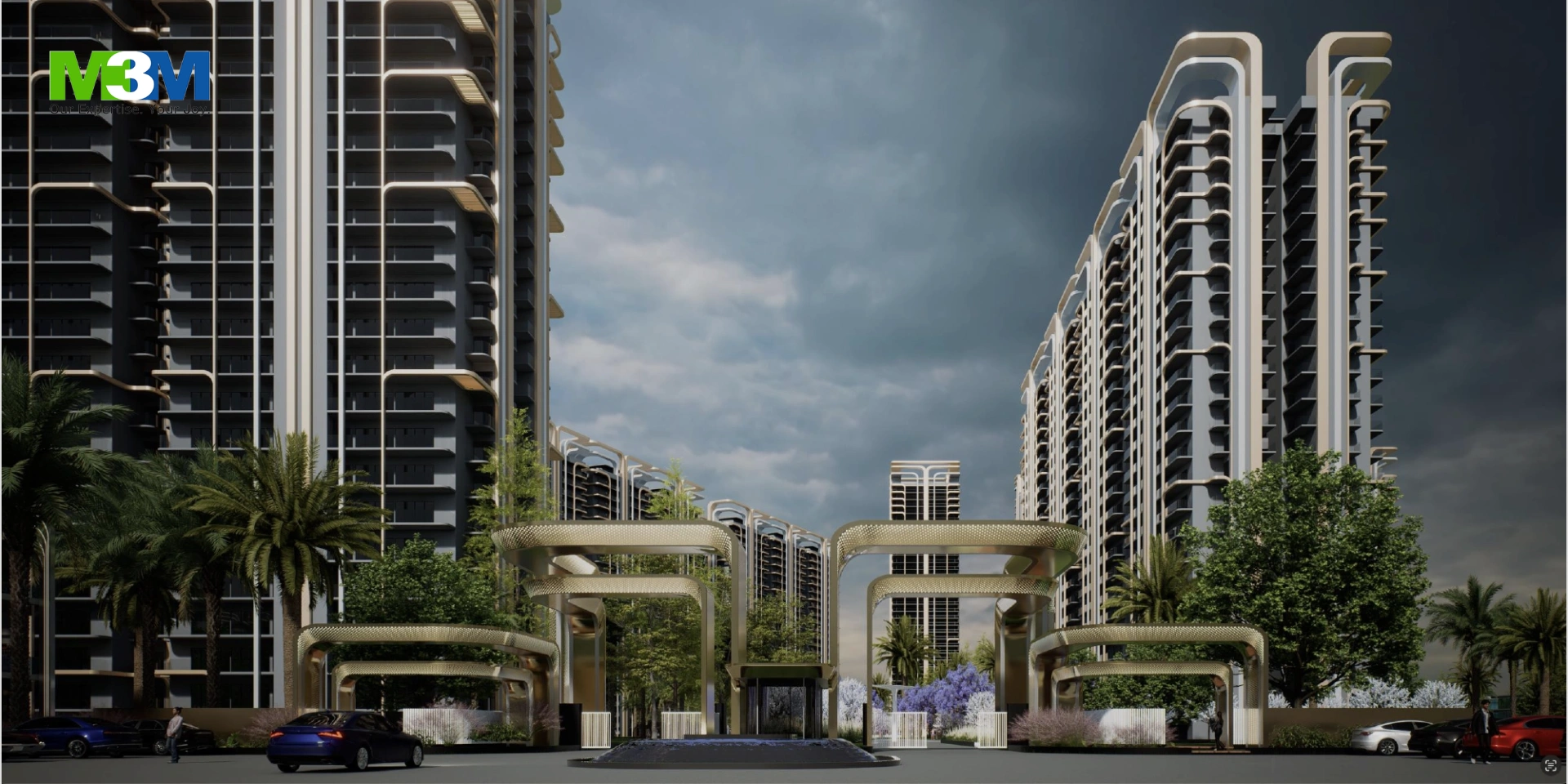 Sector-9, Manesar, Gurugram 2.5, 3 & 4 BHK Luxury Apartments 1,080 sq. ft 2.10 Cr*
 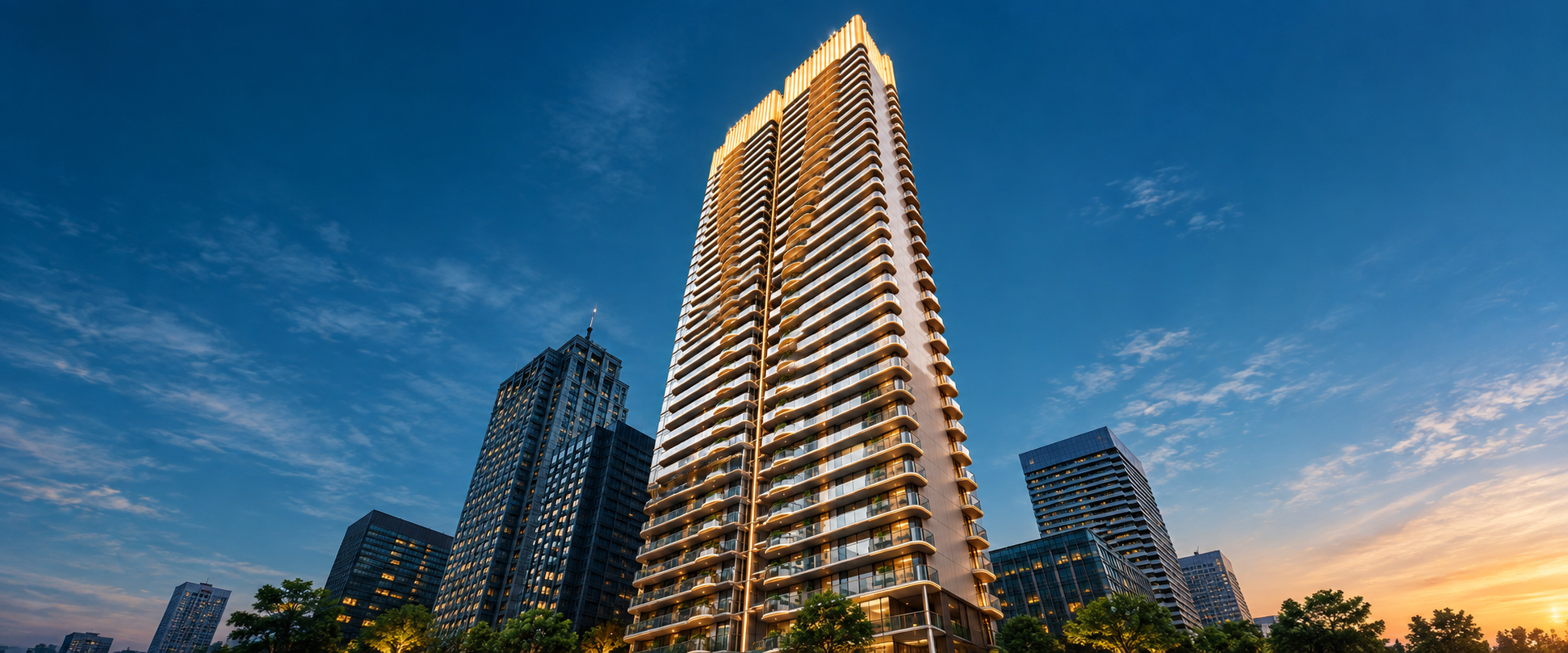 Sector 111 SCDA, Gurgaon Dwarka Expressway 4.5 BHK 4,205 sq. ft 15 Cr*
 Sumit Chauhan / Real Estate Consultant